
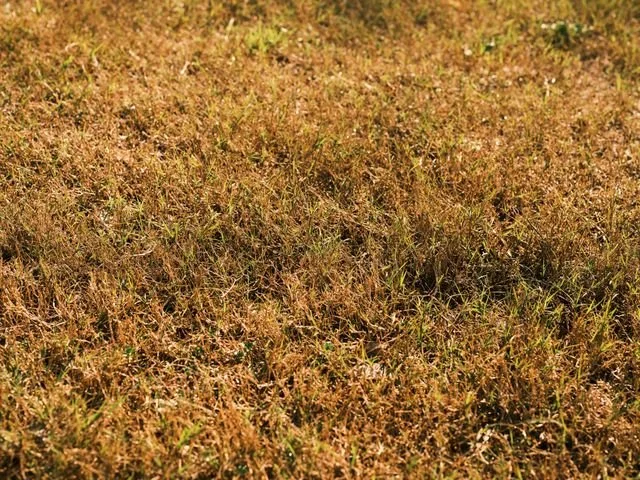
Brown, patchy grass can be a discouraging sight, but these symptoms don’t always indicate a dead lawn. In many cases, grass goes dormant under stressful conditions. While you can’t bring back grass that’s truly dead, this guide will teach you how to revive a stressed lawn.
Dead or Dormant? How to Tell the Difference
In cooler climates, seasonal lawns enter a dormant period each year when soil temperatures drop. But the warm-season grasses that dominate Florida lawns – St. Augustine, Bahia, Zoysia – rarely experience this phenomenon. They may still go dormant in response to other stressors, so it’s important to differentiate between dead grass and a lawn that’s simply conserving its resources.
Perform the Tug Test
In most cases, it’s impossible to tell whether grass is dead or dormant by sight alone. The best way to know is to gently pull on a handful of dry grass and see how it responds. If it pulls up easily, then it’s most likely beyond hope. However, grass that’s still firmly anchored may be salvageable, even if the blades are completely brown.
Inspect Carefully
A tug test is also a great opportunity to visually inspect the turf. Scratch a small part of the stem or crown with a fingernail. Living grass will be moist, with green- or cream-colored tissue beneath the surface. You may even notice new growth emerging. The roots should feel firm and dense.
On the other hand, dead grass may be dry and brittle throughout or have mushy, slimy roots.
Give It Water
Still unsure? Water the lawn thoroughly for several days before reinspecting and performing another tug test. This isn’t an immediate fix, but it may offer valuable insight over time, as dead grass does not bounce back with water.
Why Grass Actually Dies in Florida Yards
Since warm-season grasses grow continuously for most of the year, they can be more susceptible to repeated stress from ongoing heat, water, and pest and disease activity. Here are some of the most common causes of dying grass:
Drought Stress
Despite Florida's relatively high rainfall, the area’s intense heat and relentless sunshine accelerate evaporation, leading to rapid moisture loss during the summer months. As grass dehydrates, it turns brown and eventually dies.
St. Augustine is particularly sensitive to drought conditions, as its roots are relatively shallow. Newly installed sod is also at risk due to undeveloped root systems.
Faulty or Poorly Designed Sprinkler Systems
Even with an existing irrigation system, water isn’t always distributed equally. Broken sprinkler heads, malfunctioning timers, and improper placement can lead to uneven watering. The following patterns may hint at a technical issue:
Brown strips between sprinkler heads
One side of the lawn is thriving while the other struggles
Circular or oddly shaped brown patches
Green grass is primarily around sprinkler heads
These problems are common – and totally fixable. Be sure to contact your irrigation specialist for help.
Other Factors
Construction equipment, vehicles, and years of foot traffic can compact even the healthiest soil, restricting air, water, and root growth. Soil compaction can be particularly frustrating. Even when you’re watering appropriately, the roots still can’t get what they need.
High heat and humidity make fungal diseases a major problem for Florida lawns. Yellow, brown, thinning patches can quickly spread to any area that remains consistently damp. Look for discoloration and spots or lesions on individual blades.
Damage caused by cinch bugs and other pests can mimic drought stress, complicating the treatment process.
Reviving Dormant Grass the Right Way
If your brown grass passes the tug test and shows signs of life around the crown and roots, there’s a good chance a little TLC can bring it back to health. While these tips won’t fix the problem overnight, they can help you turn things around.
Proper Watering
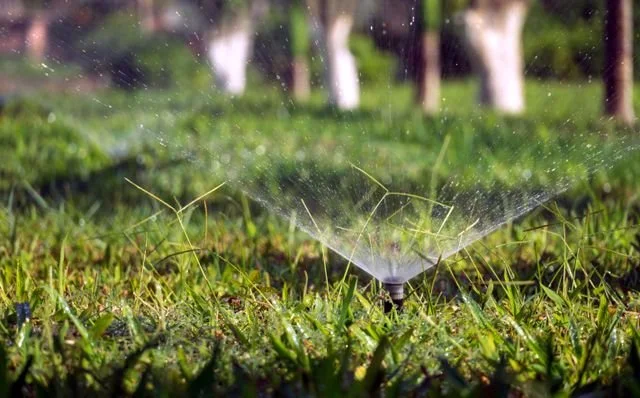
To bring back stressed grass, you must provide consistent moisture – not too much, not too little. The key is to moisten the root zone without keeping the soil constantly saturated. It can be tempting to water a little bit every day, but deeper, less-frequent waterings are more beneficial.
Water in the morning to allow foliage time to dry. This helps prevent fungal diseases, which thrive when grass stays wet for too long.
Avoid Mowing
You might be eager to eliminate the dead grass in your yard, but this won’t bring back dead grass. In fact, cutting dry, brown, or stressed grass can remove the remaining photosynthetic tissue and make it even more susceptible to drought. If you don’t mow your own grass, be sure to inform your lawn care company of these temporary changes.
Identify & Fix the Underlying Issue
Without addressing the cause of your dying lawn, any steps you take to fix it will yield only temporary results. If there’s a problem with your sprinkler system, your irrigation maintenance professional can help you determine what’s wrong and how to resolve it.
What to Do When Grass Is Actually Dead
A lawn that’s truly dead – not dormant or stressed – won’t come back with proper water and fertilizer. At this stage, it’s all about renovation.
Remove dead patches of turf and thatch to the best of your ability. Then, loosen the soil beneath to counteract compaction and ensure adequate aeration. While it’s possible to successfully restore your lawn with grass seed, warm-weather grasses usually fare better when grown from sod or plugs.
Preventing Dead Grass From Coming Back
After nursing your lawn back to health, a little extra care can help you keep it in peak condition. Start by prioritizing your irrigation system. Proper coverage and scheduling provide the consistency needed for long-term success. It’s also important to perform regular system inspections to catch problems before they kill your grass again.
A great maintenance schedule is the real game changer. When you stay on top of irrigation, mowing, fertilization, soil health, seasonal changes, and pest and disease monitoring, it’s much harder for potential problems to slip by unnoticed.
Get Expert Help Reviving Your Lawn
Establishing and maintaining a healthy lawn in Florida is no easy feat, but the right systems and support can help you succeed. If you’re in Tampa, Brandon, St. Petersburg, Riverview, or the surrounding areas, reach out to SECond Irrigation for a free consultation!